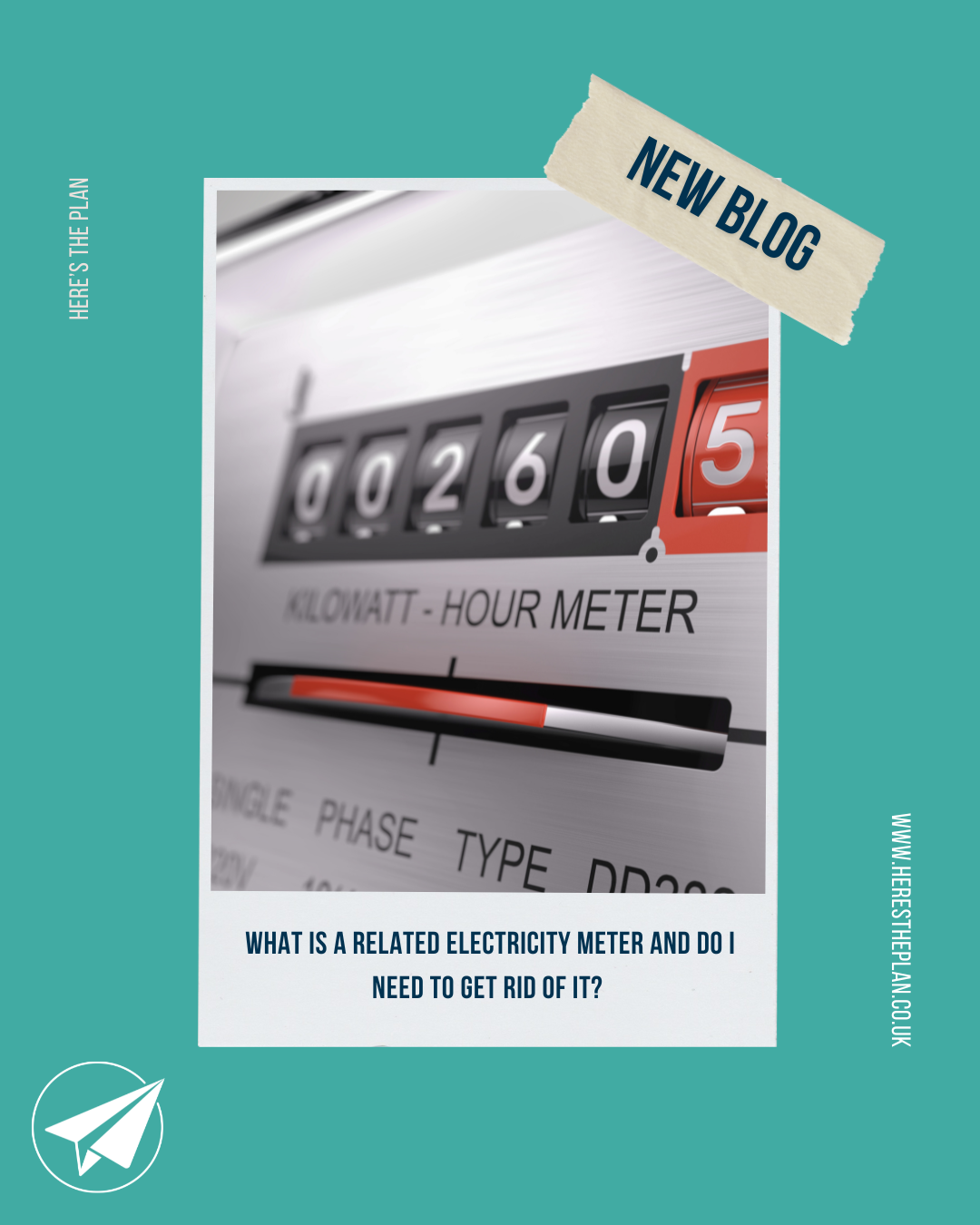
A related electricity meter (sometimes called an associated meter or linked meter) refers to an additional electricity meter that is connected to or works in conjunction with a primary meter to measure specific types of electrical usage. Related meters can be found in both domestic and business premises.
Here’s what that means in real terms:
There is a technical relationship between the meters:
The meters are “related” because they belong to the same supply point (the same property) and are billed together under one account, even though they measure different streams of energy usage. You will have 2 separate MPANs and they cannot move supplier independently of each other. This relationship is shown on ECOES, the energy industry database.
It also means that you have a Dual metering system:
There are two or more meters that measure different types of electricity use. Usually:
- One meter records general usage.
- The related meter measures controlled loads (like electric hot water systems, pool pumps, or underfloor heating) that operate on a different tariff often lower at off-peak times typically overnight.
You have 2 different Unit rates
Related meters are often used when a customer has time-of-use tariffs or off-peak tariffs, allowing electricity providers to charge different rates for different circuits or times.
You might see this on your bill:
- Primary meter: 12345678 – General usage
- Related meter: 87654321 – Controlled or off peak load (hot water)
What are the pros and cons of related meters ?
Related meters are considered quite old fashioned and are no longer installed in new build properties being replaced by Smart metering with load control capability.
Not all suppliers will onboard Related meters so having this type of metering set up may restrict your choice of supplier.
You will typically pay standing charges on both of your related meters so having them replaced by a single Smart meter on a dual rate tariff will almost always save money as well as giving you a wider choice of supplier.
Many suppliers no longer offer a significantly cheaper off-peak tariff with very little difference between the standard and off-peak tariff so you could be paying 2 standing charges for no real benefit.
However, if you still have a significantly cheaper off-peak tariff, make use of your off-peak electricity, and are happy with your supplier, there is no issue in keeping this type of metering.
When it might make sense to get rid of it
You might consider removing your related meter if:
- You no longer use the controlled load appliance (e.g. you’ve replaced your electric hot water tank with a with gas combi boiler or have got rid of your storage heaters).
- You’re installing solar PV or EV charging which requires smart metering, and your retailer/distributor recommends consolidating meters.
- You want to simplify your bill and connection, and your usage is low enough that off-peak savings are minimal.
Things to check if you are considering switching suppliers
- Ask if they bill related/controlled load meters.
- Confirm if your existing off-peak rate will remain or be merged into your general rate.
- Check if there are fees for changing the meter or removing it.
If you have any questions in regards to your metering set-up, please feel free to contact us on the following –
📞 01738 474 360